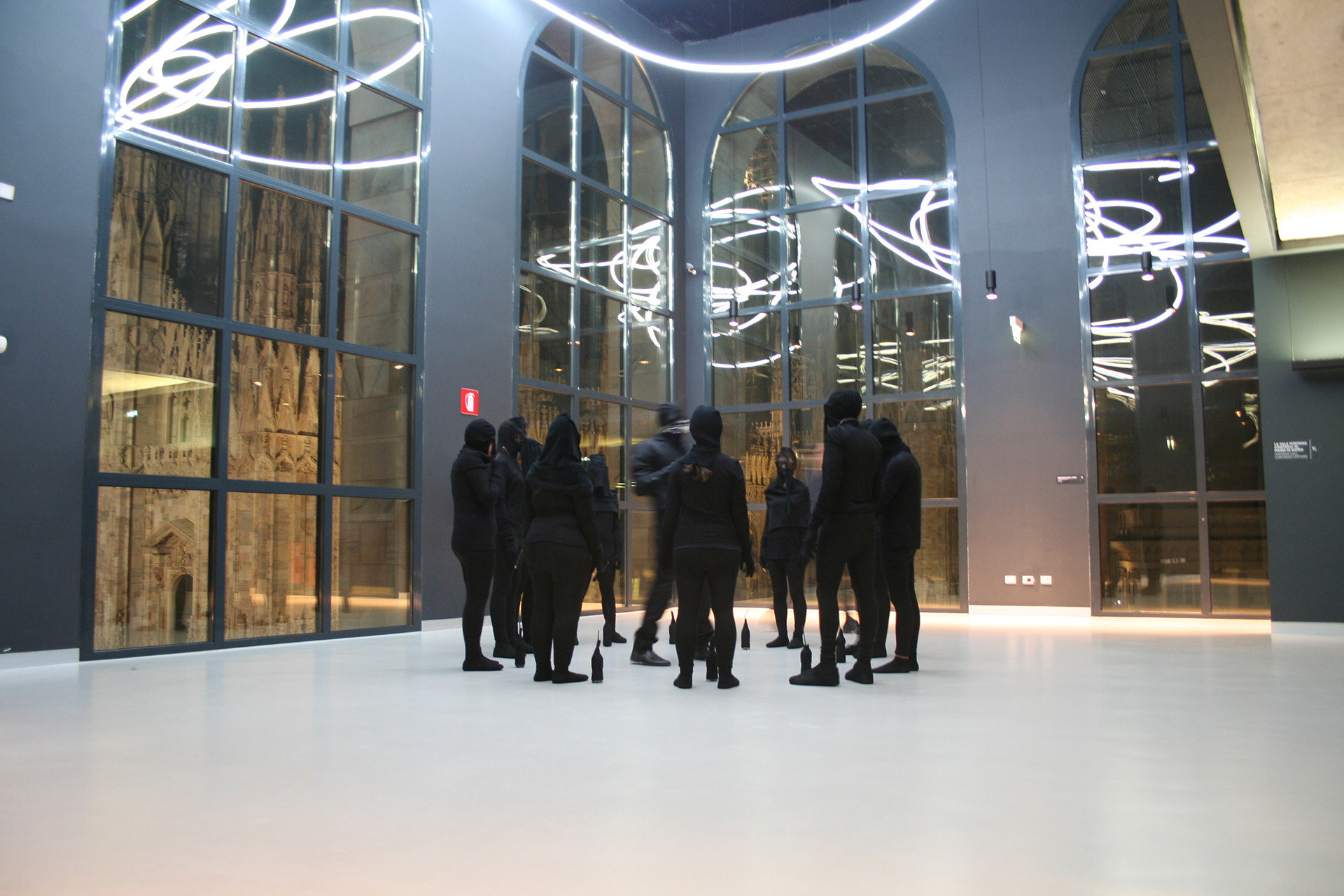
Sinking (teen)
It is rather astonishing to discover that the archaic meaning of the Italian verb sbagliare (to err) is to step out of the light, out of the glare, and that errore (error) means, first and foremost, abbaglio: a dazzlement, perhaps of the kind one experiences when following a false light, a deceptive sun. My reference to Nikita Mikhalkov’s film is entirely intentional: it evokes the effigy of Stalin suspended from a hot-air balloon, at the mercy of the wind, in one of the film’s most significant sequences.
In philosophy, error is a judgement through which the mind affirms what is not and denies what is. It generally arises from the improper use of our cognitive faculties, owing to non-theoretical factors that can ultimately be traced back to the will. For Descartes, this is because the will is unlimited while the intellect is limited; for Spinoza, given the necessity of all things, error is inadequate knowledge arising from the imperfection of the senses.
Then there are private dramas in which intimate impulses merge with the public sphere: in the past, celebrations, parades and drills; today, demonstrations, reprisals and positions taken, in which right and wrong become so entangled that we lose awareness of our own actions. Violence and oppression often arrive in disguise, yet the games and jokes that conceal them soon reveal themselves for what they really are: ways of concealing the lies and true intentions of those who lose the light.
In my view, Dragana Sapanjoš’s work also draws on these reflections, particularly the project shown in these photographs. Here, the choir consists of twelve teenagers conducted by maestro Massimo Fiocchi. Each singer performs Wrong by Depeche Mode once for every year of their age.
Published on 13 March 2012. Translated from the Italian.